Your Driveway Says More Than You Think
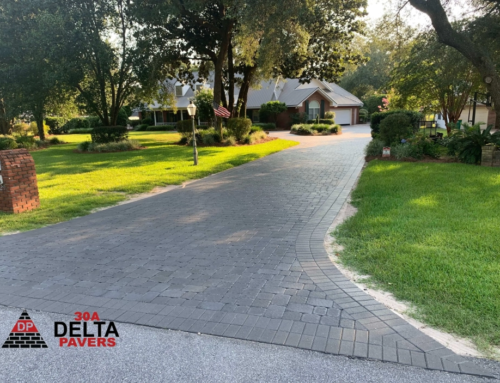
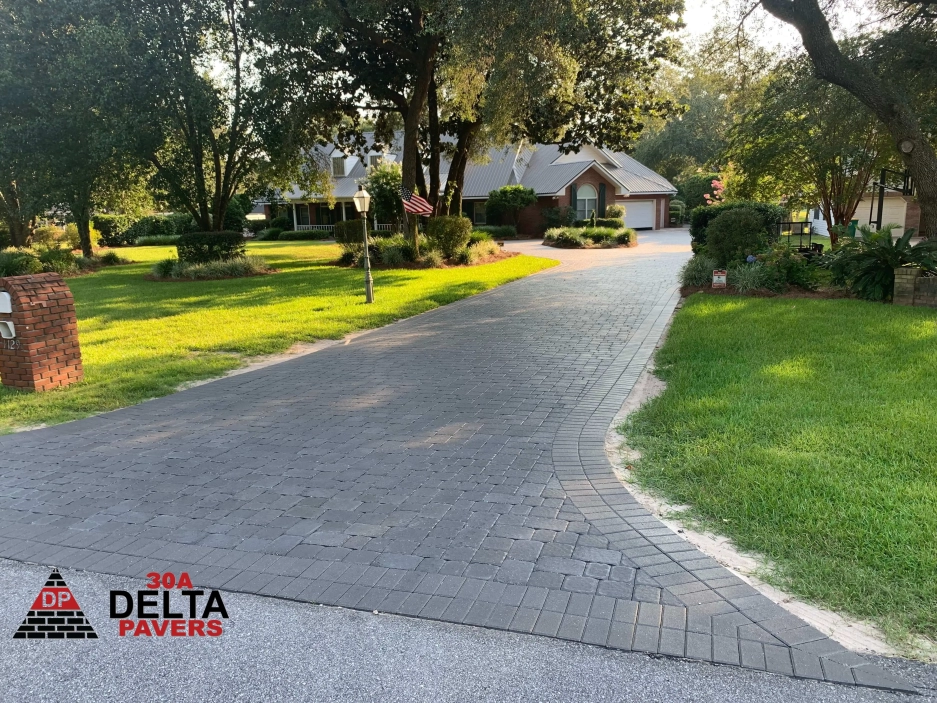
Most homeowners spend months choosing the right paint color, front door, or landscaping. But the driveway? It often gets an afterthought. That’s a missed opportunity, especially along 30A, where curb appeal directly ties to property value and rental appeal.
A well-designed paver driveway isn’t just a place to park. It’s the first thing guests see and the last thing they notice when they leave. And with the right materials and patterns, it can tie your entire exterior together in a way that plain concrete simply can’t.
If you’re planning a new driveway or refreshing an existing one, working with a trusted paving company on 30A that homeowners rely on can help you avoid costly design mistakes and get a result that actually lasts in Florida’s coastal environment.
Ready to explore what’s possible? Here’s a close look at the modern design ideas that are actually working on 30A properties right now.
Why Design Matters More in Coastal Florida
Before jumping into patterns and materials, it’s worth understanding why the 30A environment shapes every design decision. Salt air, intense UV exposure, heavy summer rains, and shifting sandy soils create conditions that many standard driveway materials struggle to handle.
That’s why locally experienced installers don’t just pick what looks good on a catalog page. They factor in:
- Drainage performance: Florida’s rainy season is no joke. Driveways need to manage water efficiently without flooding garages or neighboring yards.
- Heat tolerance: Dark materials absorb heat and can become uncomfortable underfoot. Lighter-toned pavers stay cooler in direct sun.
- Salt and moisture resistance: Coastal air accelerates wear on certain materials. Natural stone and quality concrete pavers with proper sealing hold up far better than asphalt in this environment.
- Soil movement: Sandy coastal soils shift. Interlocking pavers flex slightly with ground movement, which is why driveway pavers consistently outperform poured concrete slabs in coastal Florida.
With that context in mind, here are the design directions worth considering.
Modern Design Styles That Work on 30A
1. Coastal Contemporary
This is the most popular direction on 30A, and for good reason. It blends clean lines with natural textures, letting the material do the visual work without feeling overdone.
Key features of this style:
- Large-format concrete or travertine pavers in sand, ivory, or warm gray tones
- Stretcher bond or linear patterns that run parallel to the home’s façade
- Minimal ornamentation — the simplicity is intentional
- Subtle border accents in a slightly darker or contrasting shade
This style works especially well with the white and light stucco exteriors common in Rosemary Beach and Alys Beach communities.
2. Mediterranean-Inspired
If your home leans toward a Mediterranean or Old World aesthetic, this direction creates a cohesive look from street to front door.
It typically features:
- Tumbled travertine or brick pavers in warm terracotta, cream, or sandstone tones
- Herringbone or basketweave patterns that add texture and movement
- Decorative inlays or medallions at the driveway entry point
- Curved edges that follow the natural contour of the property
The tumbled finish gives pavers a naturally weathered appearance that looks refined, not rustic.
3. Minimalist Modern
This style is gaining popularity with newer construction and vacation rental properties that lean toward sleek, architecture-forward design.
What defines it:
- Oversized pavers (24×24 inches or larger) with minimal joint lines
- Cool gray, charcoal, or off-white colorways
- Running bond or stack bond patterns with clean 90-degree edges
- No decorative borders, just geometry doing the heavy lifting
The larger the paver format, the fewer joints visible, which creates that smooth, open feel that reads as genuinely modern from the street.
4. Permeable Paver Systems
This one is as much a functional choice as a design one, but it does have a distinct visual character worth considering. Permeable pavers allow rainwater to filter through the joints and into a gravel base below, reducing runoff significantly.
From a design standpoint:
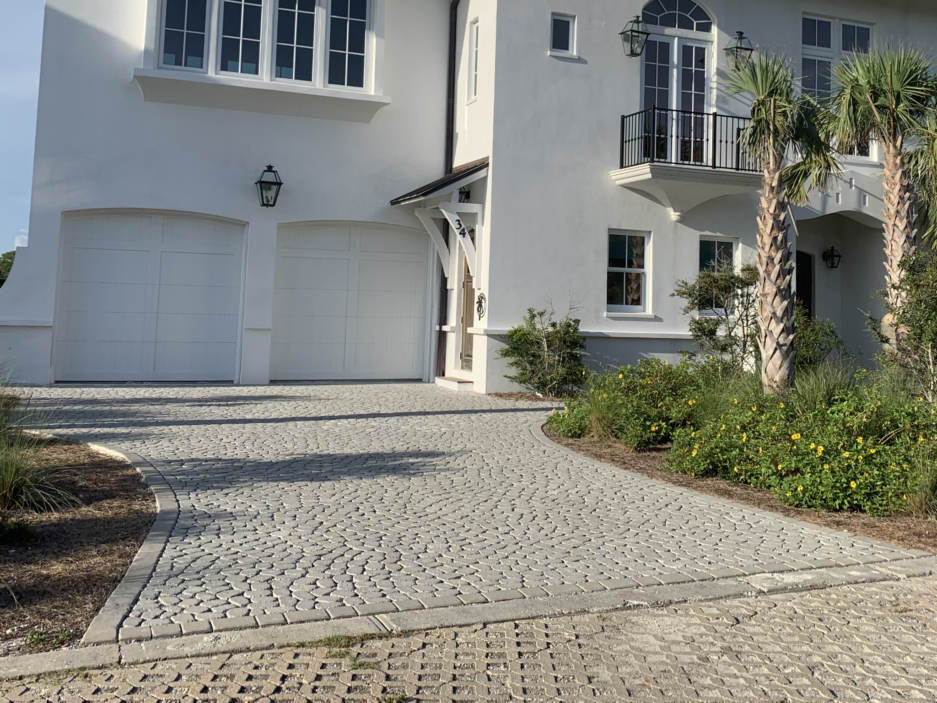
- Grid-style pavers with open joints filled with gravel or grass create an organic, structured look
- Works well with homes surrounded by heavy landscaping
- Comes in concrete and natural stone options
- Particularly smart for properties near wetland or flood zones on 30A
Patterns That Define the Look
The pattern you choose affects both aesthetics and structural strength. Here’s a quick breakdown:
| Pattern | Best For | Visual Effect |
| Herringbone | Driveways with heavy vehicle use | Dynamic, interlocking, traditional |
| Running Bond | Modern or contemporary homes | Clean, linear, streamlined |
| Basketweave | Accent areas and borders | Textured, classic, detailed |
| Stack Bond | Minimalist designs | Geometric, bold, architectural |
| Random Ashlar | Natural stone installations | Organic, artisanal, relaxed |
Herringbone is often recommended for driveways because the interlocking angle provides maximum structural stability under vehicle load. It’s also the pattern that hides minor settling over time far better than straight-line layouts.
Color Trends Along 30A
Coastal Florida homes tend toward lighter, warmer palettes that reflect sunlight rather than absorb it. Current popular choices include:
- Ivory and cream: Pairs beautifully with white or light-colored homes
- Warm gray: Versatile and modern without feeling cold
- Sand and buff tones: Echo the natural beach environment
- Charcoal accents: Used for borders and edging to create definition
One effective strategy is a two-tone approach: a primary field color for the main driveway area with a contrasting border that frames the edges. It adds structure without overcomplicating the design.
Features Worth Adding
Modern driveway design often extends beyond the paving surface itself. A few features that genuinely add value and visual interest:
Integrated lighting: Low-voltage LED fixtures embedded along driveway edges add nighttime curb appeal and improve safety. They’re nearly invisible during the day and create a polished look after dark.
Matching walkways: Carrying the same paver material from the driveway to the front entry path creates a cohesive exterior that looks professionally designed. If you’re also updating your patio pavers, matching the material across surfaces ties the whole property together visually.
Decorative borders: A single row of contrasting pavers along the perimeter adds definition and prevents the driveway from blending into the surrounding landscape.
Curved entries: A gentle curve at the driveway entrance softens the geometry and adds an upscale feel, particularly effective on larger properties.
Frequently Asked Questions
What paver material is best for a driveway in 30A, Florida?
Concrete pavers and travertine are the most popular choices along 30A. Concrete pavers offer durability and design flexibility at a moderate price point. Travertine stays cooler underfoot and has a natural, high-end appearance that suits coastal homes well.
How long do paver driveways last in Florida’s coastal climate?
With proper installation and regular sealing, paver driveways typically last 25 to 50 years. The key is a well-compacted base and quality joint sand that resists coastal moisture.
Do paver driveways hold up under heavy vehicles?
Yes. A properly installed paver driveway with a compacted gravel base handles SUVs, trucks, and even boat trailers without issue. Herringbone patterns are especially strong under vehicle load.
Can I match my driveway pavers to my patio or pool deck?
Absolutely, and it’s actually one of the smartest design moves you can make. Using the same or complementary materials across your exterior surfaces creates a unified, professionally designed look.
Is permeable paving worth it in Florida?
For properties in areas with strict drainage requirements or near wetlands, yes. Permeable systems reduce runoff, protect surrounding landscaping, and can qualify for stormwater credits in some municipalities.
Ready to Plan Your Driveway?
A great driveway starts with a clear design direction and materials that are right for your specific property and local climate. If you’re unsure where to start or want a professional eye on your options, 30A Delta Pavers is available to walk you through the process, from pattern selection to final installation. Reach out to speak with a specialist who knows what actually works on 30A properties.