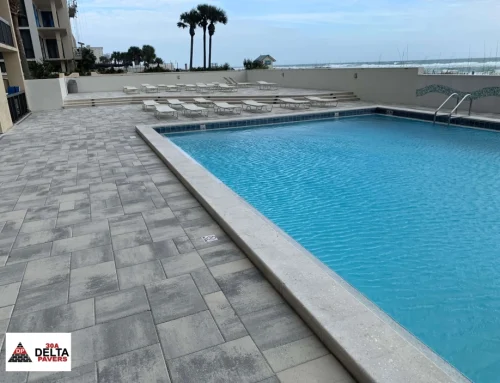
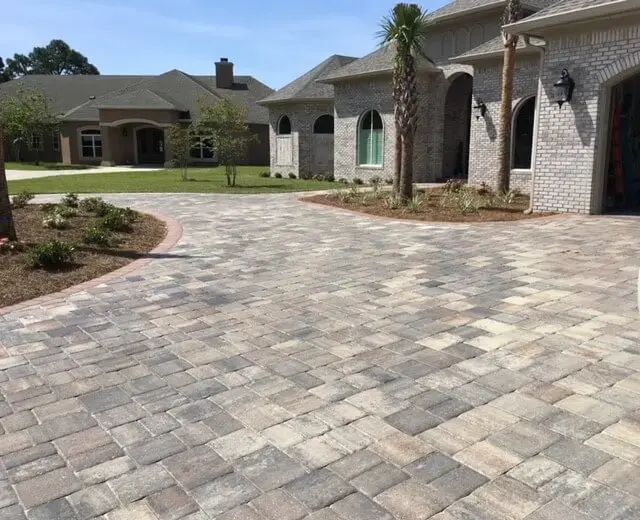
On 30A, heat is part of daily life for most of the year. Pool decks get walked on barefoot, patios sit in full sun, and surfaces can get uncomfortable fast.
Many outdoor projects also mix materials, like pavers around the pool and a refreshed drive, so it’s normal to coordinate with an Asphalt Paving Company on 30A as part of the same overall plan.
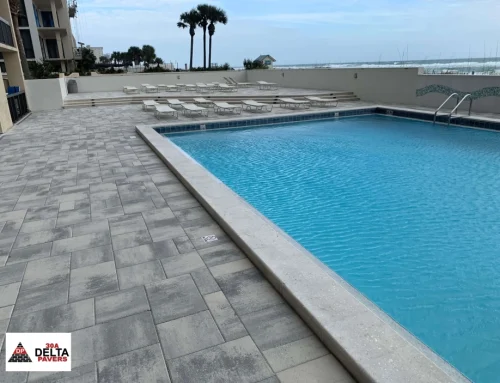
This guide compares travertine and concrete pavers for hot climates, focusing on comfort, wet-safety, and coastal durability. Travertine is commonly chosen for Florida pool decks because it tends to stay cooler underfoot in the hot sun.
Quick Answer for 30A Homes
Travertine is often chosen for pool decks in Florida because it tends to stay cooler underfoot in the hot sun.
Concrete pavers offer more style options and consistent sizing, and they can still work well in heat if color and finish are selected carefully.
The best pick depends on where the surface goes. Pool decks, patios, and driveways don’t have the same demands.
What “Hot Climate Performance” Means
“Stays cool” matters, but it’s only one part of performance on 30A. Heat, water, salt, and maintenance all show up in real life.
Here are the factors that most often decide long-term satisfaction.
1: Barefoot Heat
Surface temperature changes with sun exposure and color. Travertine is widely recommended for Florida pool areas because it stays relatively cool in the hot sun.
Concrete can also work. However, darker colors usually feel hotter in direct sun.
2: Wet Traction and Pool Safety
Pool decks need a reliable grip. Travertine is commonly described as slip-resistant, which is one reason it’s popular around pools.
Concrete pavers can also be safe when wet, but finish matters. A slick surface or glossy sealer can reduce traction.
If a pool deck is part of the plan, pool deck safety tips can help choose the right surface texture and layout.
3: Salt Air, Humidity, and Stains
Salt air and humidity can push moisture into pores and joints. That can affect cleaning, sealing, and long-term appearance.
Travertine is a natural stone, so it often benefits from sealing near salt air and saltwater pools.
Concrete pavers can develop efflorescence, a white haze that often fades over time.
Travertine Pavers in Heat
Travertine fits the 30A look, but the real reason people choose it is comfort. That first barefoot walk in summer tells the story.
Why Travertine Often Feels Cooler
Many comparisons point out that travertine tends to stay cooler underfoot than concrete in hot conditions.
That makes it a strong candidate for pool decks, spas, and sun-heavy patios.
Best Use Cases on 30A
Travertine is often a good fit for:
- Pool decks and spas where barefoot comfort is the top priority.
- Sunny patios where heat buildup is a concern.
- Outdoor living areas where a natural stone look matches the home.
Tradeoffs to Plan For
Travertine may need more care than concrete. That does not mean it’s high maintenance. It just needs the right plan.
Key points to consider:
- Sealing can be necessary in areas with salt exposure, and a Florida travertine sealing company notes that salt air and saltwater pools can contribute to deterioration without protection.
- Stains can happen if spills sit, especially around outdoor kitchens.
Concrete Pavers in Heat
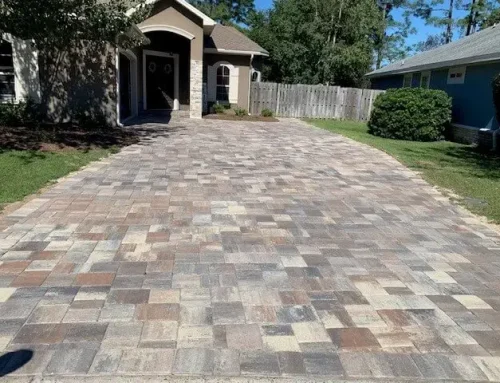
Concrete pavers are standard in hardscape work for a reason. They’re consistent in size, widely available, and flexible in design.
Comfort Depends on Color and Finish
In the hot sun, concrete pavers can feel warm, especially in darker tones. So, color choice matters more than many people expect.
For wet areas, texture matters too. A textured surface generally gives better grip than a smooth one.
Strength and Product Specs
Concrete pavers are often made to recognized specifications. ASTM C936 covers solid concrete interlocking paving units and includes a minimum specified thickness of 60 mm for units covered by the standard.
That baseline helps when comparing products for driveways and heavy-use zones.
Efflorescence: What to Expect
Efflorescence is a white residue that can appear when moisture carries soluble lime to the surface of concrete pavers, and then the water evaporates.
It doesn’t damage the concrete, and it usually wears away over time.
If it’s heavy or lingering, use a cleaner made for concrete pavers and follow the manufacturer’s directions.
Travertine vs Concrete Pavers Comparison Table
| Factor for Hot Climates | Travertine Pavers | Concrete Pavers |
| Barefoot comfort in full sun | Often stays cooler underfoot, making it popular for Florida pool decks. | Can feel hot, especially in dark colors. |
| Wet traction near pools | Commonly described as slip-resistant. | Varies by texture and sealer choice. |
| Coastal exposure | Sealing is often recommended around saltwater pools and in areas with salt air. | Efflorescence can appear and often fades. |
| Look and consistency | Natural variation and a classic coastal style. | Many sizes, colors, and consistent dimensions. |
| Driveway suitability | Possible, but confirm thickness and load details. | Often aligns with standards such as ASTM C936 minimum thickness requirements. |
How to Choose by Area
Most homes do best with a “right material, right place” approach. Mixing materials is standard, especially on larger properties.
Pool decks and spas often lean toward travertine because comfort and wet traction matter daily.
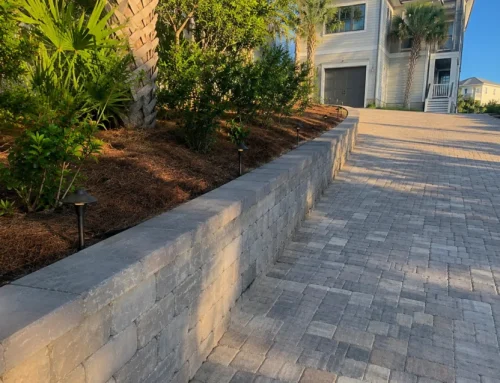
Driveways often use concrete pavers because the thickness options and product standards are easier to verify for vehicle loads.
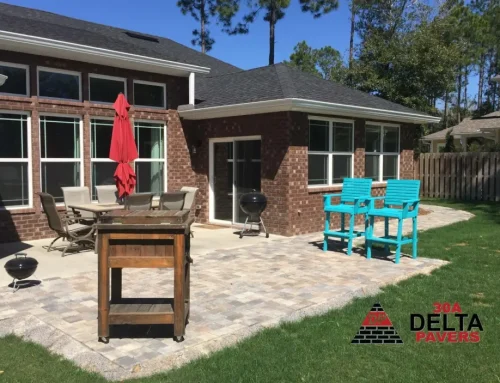
Patios can go either way. Complete sun patios often favor travertine comfort, while shaded patios can work well with either material.
Cost, Maintenance, and Longevity Basics
Travertine usually costs more upfront than basic concrete pavers, and it may need periodic sealing near pools and in salt-air environments.
Concrete pavers can be easier to swap individually if one cracks, and they may only need regular cleaning plus patience if efflorescence shows early.
For both materials, installation quality still matters most. Base prep, drainage, and edge restraint choices often decide whether the surface stays flat.
FAQs
Do travertine pavers stay cool in Florida heat?
Travertine is commonly chosen for Florida pool decks because it stays relatively calm underfoot compared with many hard surfaces.
Are concrete pavers too hot for bare feet?
They can be, especially in darker colors and direct sun: lighter colors and a good layout with shade help.
Is travertine slippery when wet?
Travertine is often described as slip-resistant, which is a key reason it’s used around pools.
What is efflorescence on concrete pavers?
Efflorescence is a white residue that can appear on cement-based products and often fades over time.
Does travertine need sealing near the beach?
Sealing is often recommended in areas with salt exposure, and salt air and saltwater pools can accelerate deterioration without protection.
Which is better for a driveway in hot climates?
Concrete pavers are commonly used for driveways, and ASTM C936 includes minimum thickness requirements for units covered by the spec.
Helpful Next Step for a Confident Choice
If you’re deciding between travertine and concrete pavers for a 30A pool deck, patio, or driveway, a quick plan review can clarify things. Contact 30A Delta Pavers for a friendly consult, and share a few site photos plus sun exposure notes so the recommendation matches the space.