A new paver driveway or patio should feel like a solid upgrade, not a roll of the dice. The wrong contractor can leave you with pooling water after storms, uneven settling, or a project that drags on far longer than promised.
This guide focuses on the practical checks that actually matter. It walks through what to verify, what to ask, and how to compare bids so your finished surface drains properly and holds up in a coastal environment.
If you are comparing options now, experienced paving contractors 30A should be able to walk through your project clearly, answer questions directly, and do so without pressure.
How Do You Confirm License and Insurance?
Start with the basics. A polished website does not protect your home or your investment.
In Florida, your first stop should be the DBPR “MyFloridaLicense” website. You can search by business name or license number and confirm the license is active and in good standing.
Ask for proof of:
- General liability insurance.
- Workers’ compensation coverage.
If a contractor hesitates or avoids providing proof, that is your signal to move on.
Quick Pre Quote Checklist
- License number and matching business name.
- Proof of liability insurance.
- Proof of workers’ comp.
- Local address and a real contact person.
What Counts as Local Experience in Santa Rosa Beach?
Experience matters most when it lines up with the type of project you are planning. Driveways, patios, and pool decks each come with different load, drainage, and comfort considerations.
Santa Rosa Beach conditions are tough on hardscape. Sandy soil and sudden heavy rain make proper base prep and drainage far more important than decorative patterns or border details.
What to Ask to See
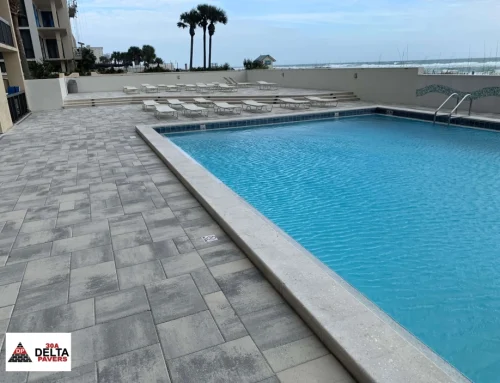
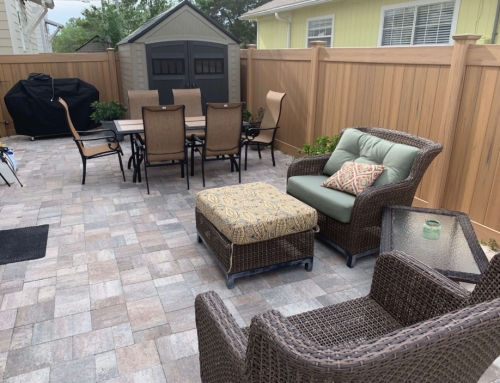
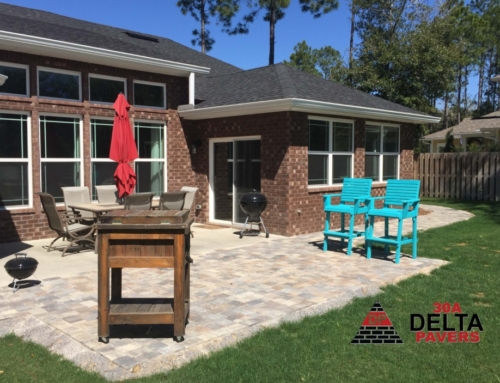
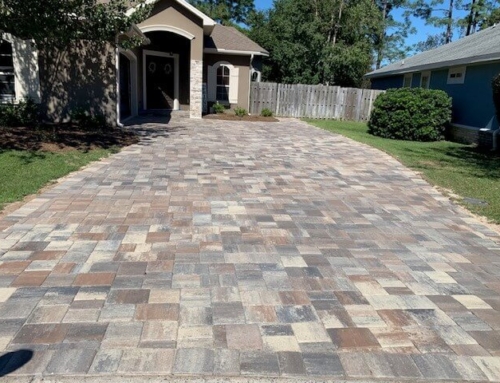
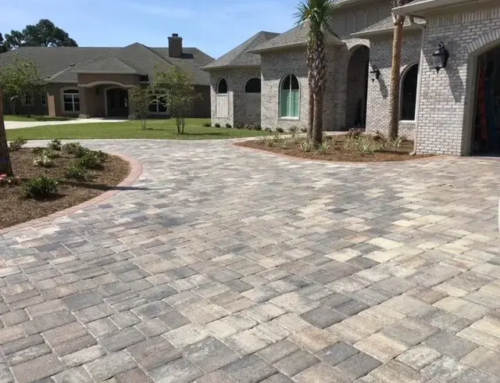
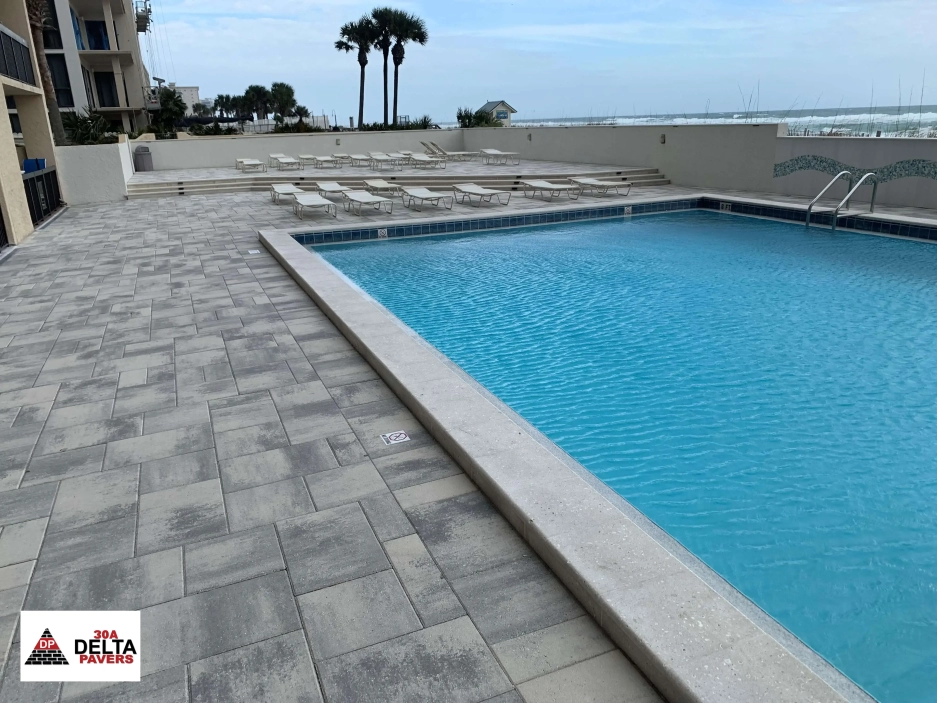
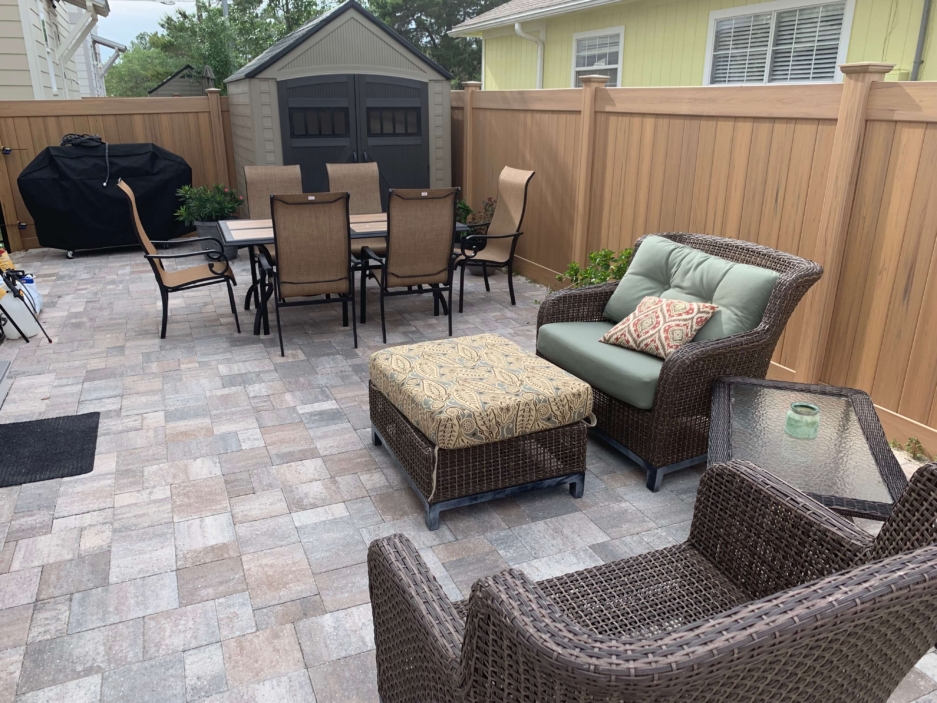
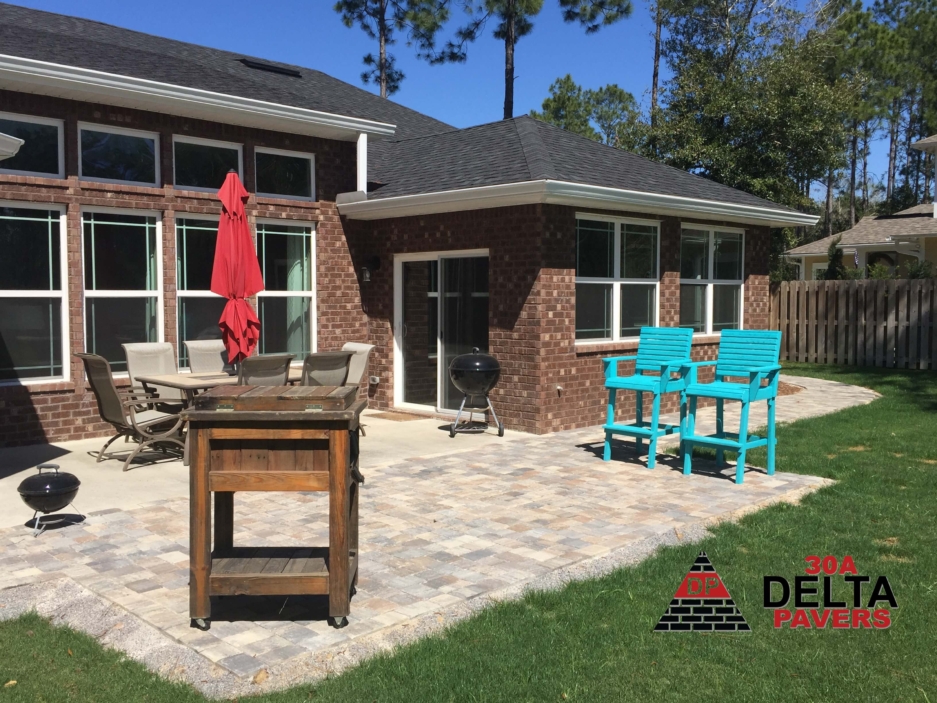
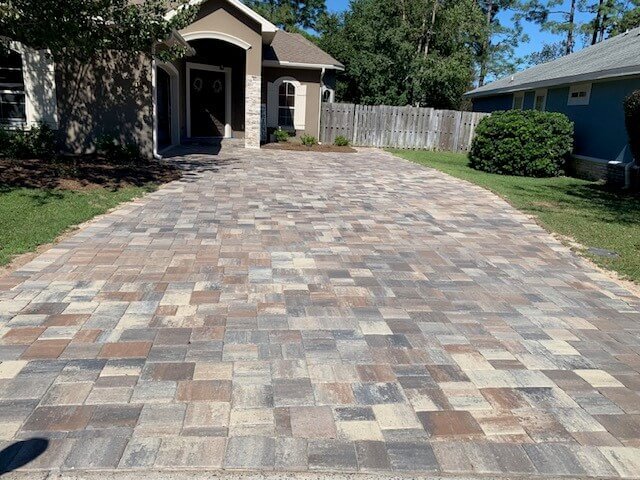
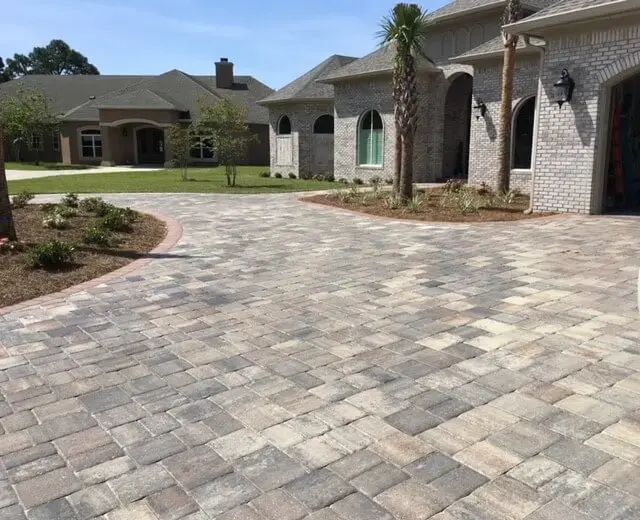
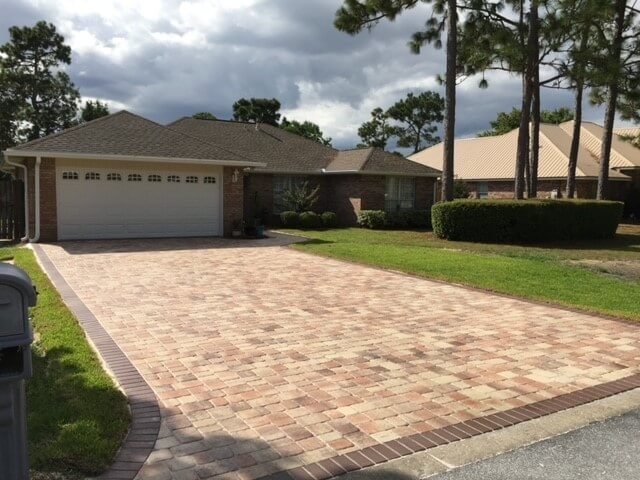
- Photos of real local jobs, not stock images.
- At least one recent project similar to yours in size and use.
- Before-and-after photos that show edges and slope.
- References from the last year.
How Do You Read Reviews the Smart Way?
Individual reviews can be helpful, but patterns tell the real story.
Look for repeated issues such as missed start dates, poor cleanup, or unclear change orders. Also, pay attention to how the contractor handled problems when they came up.
Fast Review Screen
- Did they finish close to the promised timeline?
- Did the final price match the written estimate?
- Did they protect landscaping and irrigation?
- Did they come back for small fixes?
Then call two recent references and ask one direct question. Would you hire the same contractor again?
What Should a Written Estimate Include?
A good estimate reads like a work plan, not a vague number on a page.
Make sure the quote includes:
- Paver type, size, color, and pattern.
- Total square footage.
- Demo and haul away.
- Base material type and compacted depth.
- Edge restraint method.
- Joint sand type.
- Drainage plan and slope direction.
- Start date, end date, and work hours.
- Payment schedule tied to milestones.
If one bid comes in far lower than the rest, pause. Something important is often missing.
Quick Bid Comparison Table
|
Item to Compare |
What the Estimate Should Say |
Why It Matters Locally |
|
Base depth and material |
Listed depth and material type |
Helps prevent settling after heavy rain. |
|
Drainage plan |
Slope direction and runoff path |
Helps avoid puddles near the house. |
|
Edge restraints |
Type and how it’s anchored |
Helps stop edge spread over time. |
|
Cleanup and haul away |
Clearly included |
Avoids surprise disposal fees. |
|
Warranty terms |
Labor and materials are spelled out |
Sets clear expectations if issues show up. |
What Installation Steps Should You Pay Attention To?
At first glance, pavers can look great even when the base work is weak. Problems usually show up months later as dips, shifting, or uneven joints.
Ask the contractor to explain the installation order and listen for clear steps. The ICPI consumer guide covers core parts of paver installation, including base layers, compaction, and what a written proposal should include.
A sound process usually includes:
- Mark utilities and protect irrigation.
- Excavate to the right depth for use.
- Grade for drainage away from structures.
- Build and compact the base in layers.
- Screed the bedding layer.
- Lay pavers and cut clean edges.
- Install edge restraints.
- Compact the sweep joint sand, and compact again.
- Final cleanup.
If someone suggests fixing level issues with extra sand alone, be cautious. Sand cannot correct a weak or poorly compacted base.
Which Paver Material Fits Near 30A?
Material choice affects surface temperature, staining, and long term maintenance.
- Concrete pavers: Many styles and price points. Sealing can help with stains and color fade.
- Travertine: Often cooler underfoot, which can feel better near pools. It can cost more.
Quick Material Questions
- Is this for vehicles or foot traffic?
- Is it full sun most of the day?
- Is it near a pool or outdoor kitchen?
- Is sealing and periodic care okay?
What Should a Warranty Cover?
Most paving projects involve two separate warranties:
- Manufacturer’s warranty for the pavers.
- Workmanship warranty for installation.
Ask for these details in writing:
- Labor warranty length and what triggers a repair.
- What is considered normal?
- Whether edge movement is covered.
- What maintenance is required to keep coverage?
Also ask what is excluded, such as damage from heavy vehicles on patio areas.
Do Permits and Lien Releases Matter in Florida?
Permit requirements depend on scope. A contractor should clearly state whether a permit is required and who is responsible for pulling it.
For closeout, Florida lien rules live in Chapter 713 of the Florida Statutes, including Section 713.06, which is one reason owners often request lien-related paperwork before final payment.
Closeout Items to Request
- Final invoice that matches the contract.
- Written warranty terms.
- Care notes for cleaning and sealing.
- Lien releases are used when appropriate for the job.
What Should Be in the Contract?
The contract should reflect exactly what was discussed. If it does not, ask for revisions before signing.
Look for:
- Full scope of work and materials list.
- Layout notes for pattern, borders, and cuts.
- Dates, working hours, and access plan.
- Payment schedule tied to milestones.
- Written change order process.
- Cleanup and disposal responsibility.
FAQ
How many estimates should be collected?
Two or three estimates are usually enough to compare scope and pricing without creating confusion.
What are the biggest red flags?
No written estimate, vague base details, pressure to pay in full up front, and refusal to show insurance.
How can a Florida contractor license be checked?
Use the DBPR MyFloridaLicense “Verify a License” search by name or license number, then confirm status.
Why do pavers sink or get uneven?
Most failures trace back to weak base prep, poor compaction, or inadequate drainage.
Should pavers be sealed in Santa Rosa Beach?
Often yes, especially for stain resistance. Timing depends on the paver type and site conditions.
Are lien releases needed before final payment?
They are a common best practice in Florida due to lien rights under Chapter 713 of the Florida Statutes.
Partner with Local Outdoor Living Experts
Choosing a paving contractor requires more than the lowest bid. You need a company that offers reliable warranties, understands Santa Rosa Beach’s unique environment, stands behind its work, and treats your property with care.
For over a decade, 30A Delta Pavers has helped local homeowners improve their outdoor spaces. We provide clear answers, share real local examples, and help you choose options that fit your goals and budget, without pressure. Reach out when you are ready to talk through your project.