A cracked concrete driveway is frustrating. It can spread, stain, and turn into a constant repair cycle.
This guide explains why concrete often fails along 30A and what pavers do differently, so you can choose a longer-lasting fix with fewer surprises.
If you’re still unsure what’s really causing the cracks, talking with paving contractors on 30A who work on Panhandle soils and drainage issues every day can help you sort the “quick patch” from the right long-term fix.
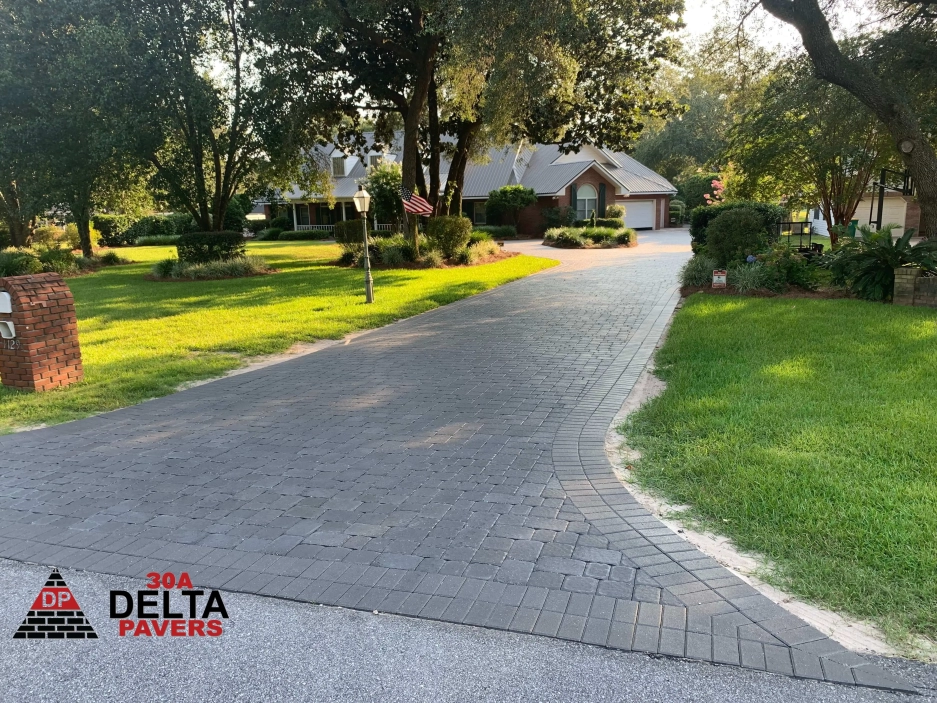
In this guide, you will find how a cracked concrete driveway can be improved with pavers, plus the top benefits and decision tips.
Why Do Concrete Driveways Crack Near 30A?
Concrete is strong, but it’s one slab. So once it cracks, the crack often keeps moving.
Rain can be extreme in the Panhandle. Hurricane Sally, for example, produced about 15 to 30 inches of rainfall in the western Florida Panhandle, which can saturate the ground and weaken driveway support. Also, coastal conditions add stress, like salt air and fast wet-to-dry cycles.
Storm surge matters too, even away from the beach. The National Hurricane Center’s storm surge risk maps show that surge can reach inland, and the risk increases as the storm category increases.
Benefit 1: Repair Small Areas, Not the Whole Driveway
Pavers are separate units. So damage is often fixed by lifting and resetting a small section, instead of replacing a large slab.
This is useful for common issues like:
- Oil or rust stains in one area.
- A low spot near a downspout.
- A chipped corner from impact.
- Utility work that disturbed a section.
Guidance on interlocking concrete pavement repairs notes that pavers can be removed and reinstated, which helps avoid bigger tear-outs and reduces disruption.
Benefit 2: More Drainage Options for Heavy Rain
Concrete usually depends on slope alone. However, if the slab settles or the grade is off, water can collect in low spots.
Pavers give you two practical drainage paths:
- Standard pavers (graded to drain): Water sheds off the surface with proper pitch and stable base.
- Permeable pavers: Water drains through joints into a stone base, which reduces runoff.
Florida’s Green Stormwater Infrastructure program notes that permeable pavement can decrease urban surface runoff by more than 50% and can slow peak flow during storms. FDOT research also lists reduced runoff volume and reduced need for stormwater infrastructure as advantages of permeable pavement systems.
Benefit 3: A System That Handles Small Movement Better
Concrete often fails in visible lines. Cracks and surface chipping stand out.
Pavers can show movement, too, but it’s often localized. A few uneven units can usually be reset, as long as the base and edges are built correctly.
Also, interlocking pavers spread loads across many units. That can reduce the chance of one long, obvious crack across the whole driveway.
Benefit 4: Cleaner Curb Appeal for Coastal Homes
A driveway is a large visual surface. So cracks and patch marks can pull attention away from the home.
Pavers help keep the look consistent because you can choose:
- Coastal-friendly color blends.
- Simple or detailed patterns.
- Border lines to clean up edges.
- Matching replacements if a section needs repair.
This can also help in neighborhoods where appearance standards matter.
Benefit 5: Faster Return to Use and Easier Long-Term Changes
Concrete needs a cure time. Pavers don’t cure, so the surface can often be used sooner after the work is finished.
Pavers can also be lifted and reset if plans change later, like widening parking or tying in a walkway. Guidance on interlocking concrete pavement repairs supports that pavers can be removed and reinstated for maintenance or access needs.
Concrete vs Pavers in Panhandle Conditions
| Factor | Concrete Slab | Interlocking Pavers |
| Common visible issue | Cracks and surface chipping | Small low spots or shifted units |
| Typical repair | Patch or replace a section | Replace or reset individual pavers |
| Drainage options | Mostly slope | Standard slope or permeable design |
| Time before use | Cure time needed | No curing step |
| Long-term look | Patches can stand out | Repairs can blend if materials match |
How to Tell If Pavers Are the Right Move
Pavers fit many 30A homes. However, the best choice depends on what your site is doing.
Check these three items:
- Water: Does water sit near the garage, gate, or sidewalk after rain?
- Base: Do soft spots or settled areas keep coming back?
- Future plans: Might you widen parking or add an outdoor living space later?
If two are true, pavers are often a better long-term fix than repouring a slab that may crack in the same places again.
Maintenance Tips That Matter on 30A
Pavers are usually low effort. Still, coastal sand and salt make simple upkeep important.
Basic care:
- Rinse off sand and grit.
- Clean stains early with a mild cleaner.
- Keep edges tight so the field stays locked.
- Refill joint sand if joints look low.
FAQs About Paver Driveways in 30A
Are pavers slippery in the rain?
Most quality pavers have texture. Also, good drainage design reduces standing water, which is a common cause of slippery areas.
Do pavers get weeds in the joints?
They can, especially if the joint sand gets low. However, with proper joint sand and periodic touch-ups, weeds are usually manageable.
Is permeable paving worth it near the coast?
It depends on pooling and runoff. Florida DEP notes that permeable pavement can reduce runoff by more than 50% and slow peak flow, which can help during heavy rain.
Will pavers handle big storms better than concrete?
Often, yes, because repairs can be localized and drainage designs can be improved. The Panhandle has seen extreme rain events, including Hurricane Sally’s 15 to 30 inch rainfall totals into the western Florida Panhandle.
Does storm surge matter if a home is not beachfront?
Sometimes. The National Hurricane Center’s storm surge risk maps show that surge can reach inland, and risk rises with stronger hurricanes.
Wrap Up And A Helpful Next Step
A cracked concrete driveway is annoying, but it’s also useful information. It’s your site telling you where movement and water want to go.
Pavers give you a driveway that’s easier to repair, friendlier to drainage planning, and better looking long term, especially in the Florida Panhandle’s stormy reality. And if you’d like help figuring out whether standard or permeable pavers make sense for your lot, reach out to the team at 30A Delta Pavers for a low-pressure consult and a clear plan for next steps.